← All articles
Make in India
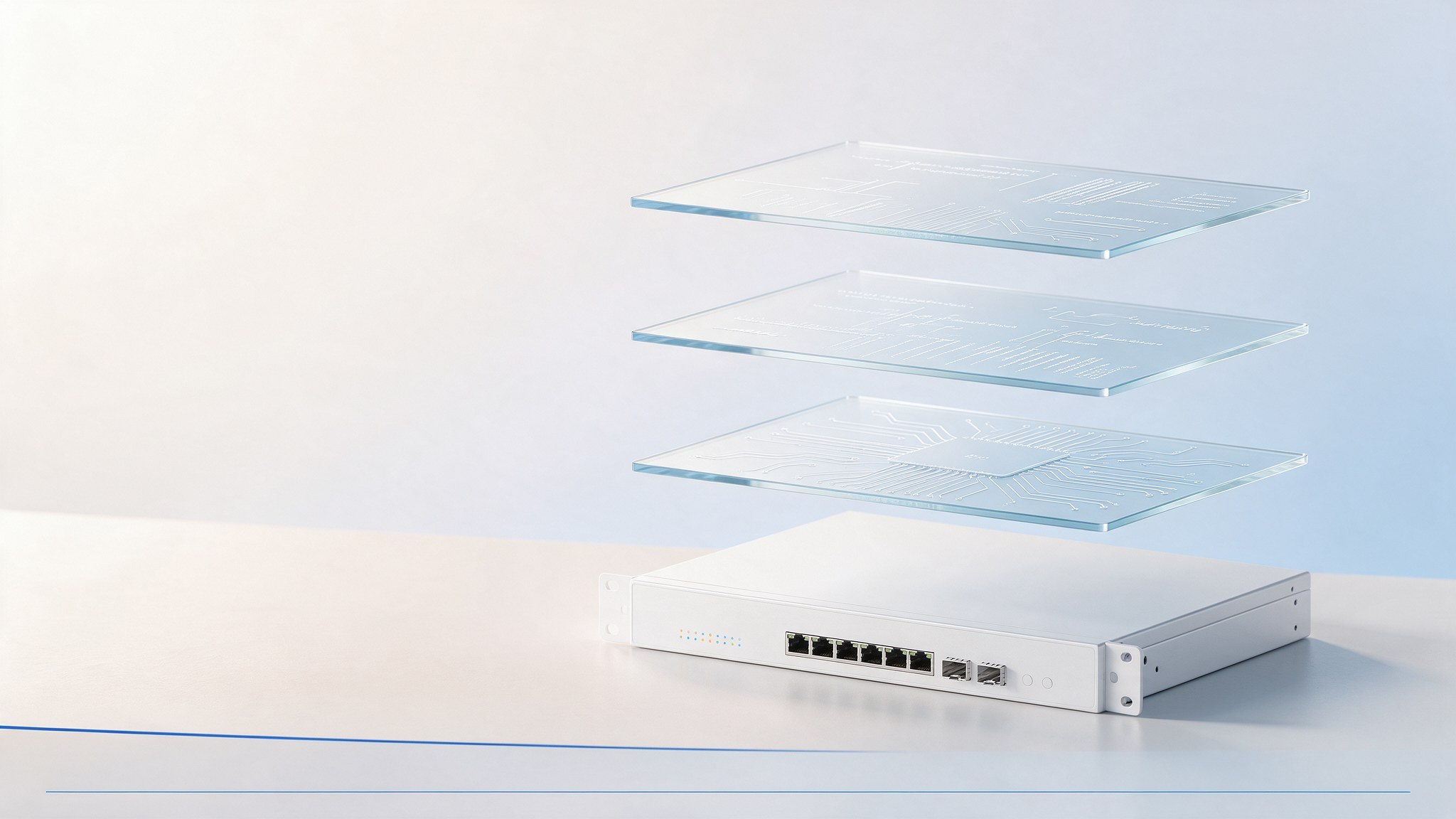
India has built one of the world’s largest technology services ecosystems. Indian companies manage security operations, protect global enterprises and provide highly skilled cybersecurity services.
However, much of the underlying networking and security infrastructure used in India continues to depend on imported platforms.
Routers, firewalls, VPNs, SD-WAN, SASE, network management, secure access, endpoint security and threat intelligence are foundational elements of a modern digital economy. Developing domestic capabilities in these areas is not simply a commercial opportunity. It is a strategic necessity.
The case for Indian cybersecurity products should not be presented as an argument against foreign vendors. Many global vendors have built excellent technologies through decades of investment in engineering, security research and support.
India still needs credible domestic alternatives because control over cybersecurity infrastructure is itself a strategic capability.
Cybersecurity products operate at highly sensitive points in an organisation. They inspect network traffic, establish encrypted connections, enforce access policies, manage identities and generate security telemetry. They often determine who can access a system, what information can leave a network and how quickly a threat can be detected.
This is particularly relevant as India’s security discussions increasingly include digital sovereignty. CERT-In’s May 2026 blueprint on AI-assisted vulnerability exploitation highlights how artificial intelligence is accelerating reconnaissance, vulnerability discovery, exploit development and automated attacks. Its recommendations include stronger network visibility, endpoint protection, segmentation, threat intelligence integration and continuous monitoring. All these capabilities depend on the quality and controllability of the underlying cybersecurity stack. Read the CERT-In blueprint.
Indian companies have demonstrated that globally relevant cybersecurity products can be built here.
Quick Heal helped establish domestic capability in endpoint security. CloudSEK has addressed external threat intelligence, digital risk monitoring and attack-surface visibility. Several other Indian companies are working across identity, cloud security, application security and security operations.
The next opportunity is to extend this product-building capability deeper into the infrastructure layer: routers, firewalls, secure gateways, VPN platforms, SD-WAN, SASE and network management.
These products are difficult to build because they combine hardware, firmware, networking, security, cloud software and operational support. They must also perform reliably for years, often at the centre of an organisation’s connectivity.
Cybersecurity hardware will continue to depend on global supply chains. Processors, network interfaces, memory, storage and complete hardware platforms may come from different countries, including China. Sourcing internationally does not, by itself, determine whether a product is Indian.
The more important questions are:
Who owns the firmware and software? Who develops the routing, VPN and security engines? Who can investigate a vulnerability and issue an update? Who controls the product roadmap, management platform and intellectual property?
A subtle challenge in the Indian market is that many network-security appliances have a familiar physical appearance. This is often a consequence of multiple companies sourcing hardware from the same limited manufacturing ecosystem. The enclosure or appliance exterior, therefore, tells us very little about the technology inside it.
The real differentiation must come from the engineering: the operating system, firmware, security capabilities, management platform, update infrastructure and long-term support.
Make in India for cybersecurity should ultimately mean ownership of the software, intellectual property and engineering behind the product. Local manufacturing is valuable, but it must be accompanied by the ability to understand, modify, secure and support the technology independently.
A credible router, firewall, VPN, SD-WAN or SASE platform requires sustained investment in hardware engineering, firmware, networking protocols, security research and cloud infrastructure.
The work continues long after the first product is shipped. Manufacturers must maintain software across hardware generations, respond to vulnerabilities, obtain certifications, manage supply chains, publish updates and provide dependable support. They must also compete with global companies that have mature products, large channel networks and decades of accumulated intellectual property.
Those choosing to build the underlying technology are taking the longer route. Much of this work is not immediately visible to a customer. A locally developed routing engine, security service, firmware update system or orchestration platform may not change the appearance of an appliance, but it creates lasting domestic capability.
No single company will build the entire stack. India needs specialised product companies across secure networking, endpoint protection, identity, cloud security, threat intelligence, security operations and hardware platforms.
Government and enterprise buyers also have an important role. Domestic products must meet serious expectations for security, reliability and performance. At the same time, capable Indian manufacturers need access to trials, reference deployments and meaningful procurement opportunities.
India has already shown that it can build digital infrastructure at national scale. It must now build more of the cybersecurity products that protect that infrastructure.
Cybersecurity services will remain an important Indian strength. But services alone cannot provide technological sovereignty. India must also own the products, software, intellectual property and engineering that secure its digital future.
Talk to a NetSense security architect about applying this to your stack.